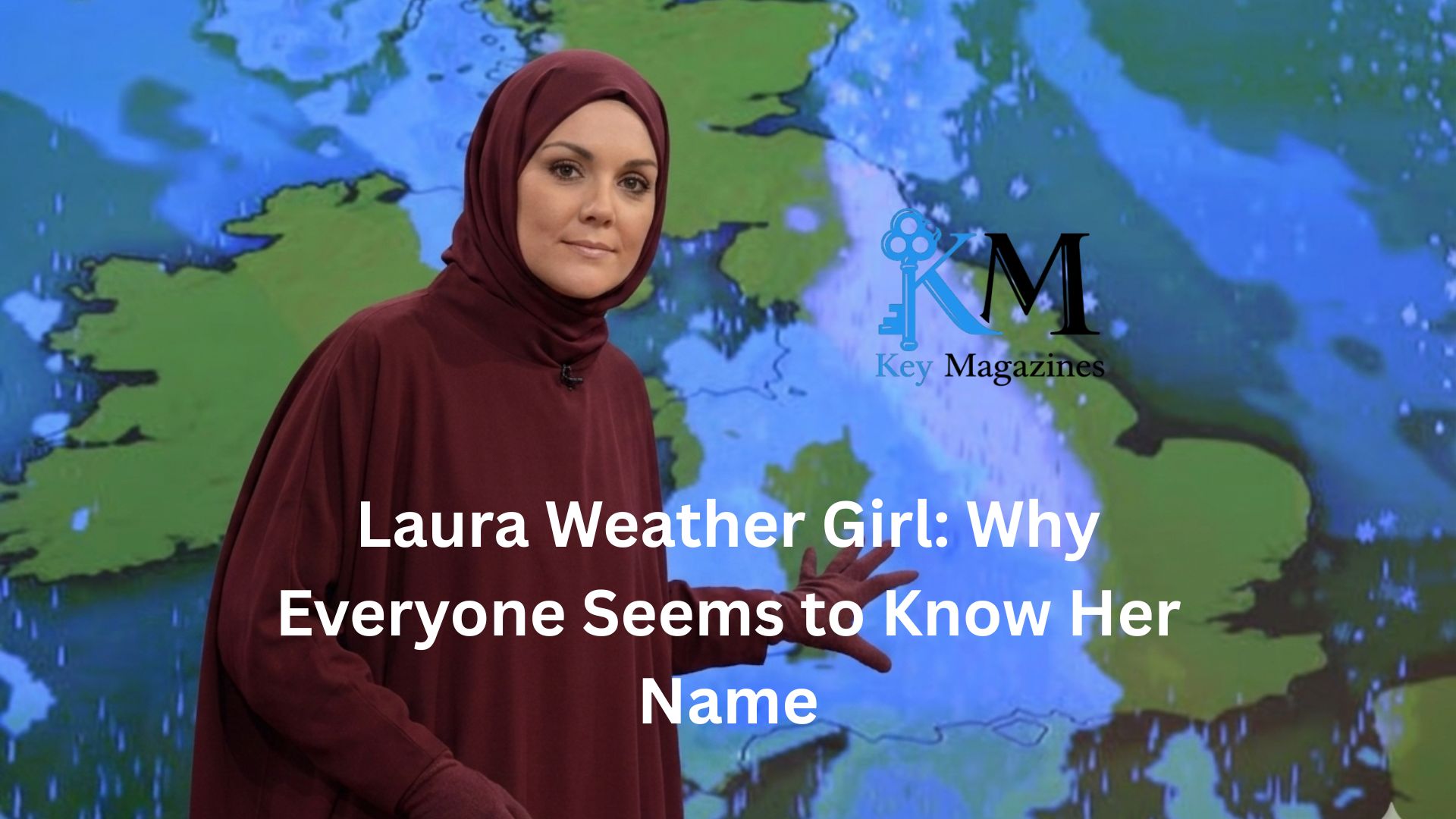
Turn on the morning news in a lot of households, and you’ll see a familiar face smiling beside a colorful map. For many viewers, that face is Laura—the “weather girl” people talk about like she’s part of the family. Not just because she tells you whether to grab an umbrella, but because she somehow makes the forecast feel… human.
There’s something oddly comforting about a weather presenter who doesn’t just read numbers off a screen. Laura has that effect. You could be half-asleep, coffee in hand, barely processing the day ahead, and still catch yourself paying attention when she starts talking about a cold front rolling in. That’s not an accident.
Let’s unpack why Laura stands out in a space that, on paper, shouldn’t be that interesting.
The Everyday Role That’s More Influential Than It Looks
Weather reporting sounds simple until you think about it. It’s data-heavy, repetitive, and easy to tune out. Highs, lows, wind speeds, precipitation percentages—most people forget those numbers within minutes.
Yet someone like Laura makes people care.
Here’s the thing: weather sits right at the intersection of routine and uncertainty. You check it every day, but you never fully control it. That’s where personality matters. Laura doesn’t just say, “It’ll be 65 degrees.” She frames it in a way that fits your life.
She might say something like, “If you’ve been waiting to wear that light jacket again, tomorrow’s your day.” It’s a small shift, but it turns abstract data into something personal.
You can imagine it. You probably have that one jacket too.
Why Viewers Connect With Her
Plenty of meteorologists are technically excellent. That’s not rare. What is rare is someone who feels relatable without trying too hard.
Laura hits that balance.
She doesn’t sound like she’s reading from a script—even though, of course, there’s always some structure behind the scenes. Her delivery feels conversational, like she’s talking to you instead of at you.
There’s also a certain predictability people like. Not boring predictability—comforting predictability. You know how she’ll react to a sudden heatwave or an unexpected storm. You know she’ll probably throw in a quick comment about how nobody was ready for this kind of humidity.
That consistency builds trust.
Think about it: when bad weather is coming, you don’t want theatrics. You want someone steady, clear, and calm. Laura tends to lean that way, which makes people more likely to listen when it actually matters.
The “Weather Girl” Label—Still Complicated
Let’s be honest, the phrase “weather girl” carries baggage. It sounds casual, almost dismissive, like the role is more about appearance than expertise.
And that’s not fair.
Behind the scenes, weather presenters often have solid backgrounds in meteorology or related sciences. They’re interpreting models, tracking systems, and making judgment calls about what matters most to viewers.
Laura’s no exception. The ease you see on screen usually comes from years of experience—learning how to simplify complex information without dumbing it down.
Still, the label sticks. Some viewers use it affectionately. Others don’t think much about it at all.
But there’s a subtle shift happening. More people are starting to recognize that being good on camera and being knowledgeable aren’t mutually exclusive. In fact, combining both is what makes someone like Laura effective.
A Morning Routine Staple
There’s a quiet ritual around morning weather segments. You might not even realize you rely on them until they’re gone.
Picture a typical weekday. Alarm goes off. You scroll your phone for a bit, maybe check messages. Then the TV or radio comes on in the background.
That’s where Laura shows up.
She’s part of that in-between moment—not fully awake, not fully engaged, but still absorbing information. And somehow, her tone fits perfectly into that space. Not too intense. Not too flat.
She might joke about how the weekend teased everyone with sunshine before Monday rolled in with rain. It’s relatable in a low-stakes way. Nobody’s deeply invested, but everyone kind of agrees.
That’s a harder skill than it sounds.
Making Weather Feel Local and Personal
One thing that sets certain weather presenters apart is how they handle local nuance. Not every viewer lives in the same conditions, even within the same city.
Laura tends to acknowledge that.
Instead of giving one blanket forecast, she might say, “If you’re closer to the coast, expect a bit more wind,” or “Inland areas are going to feel this heat a lot more.”
It’s a small detail, but it signals awareness. It tells viewers she understands their specific experience, not just the general picture.
And that builds credibility.
Because let’s be real—everyone’s had that moment where the forecast didn’t match what actually happened outside their window. When someone consistently gets closer to your reality, you notice.
The Subtle Art of Keeping It Interesting
Weather doesn’t change dramatically every day. Some weeks are just… stable. Mild temperatures, clear skies, nothing unusual.
That’s where personality carries the segment.
Laura often adds small observations or light commentary that keeps things from feeling repetitive. Not forced jokes, but natural remarks.
Something like, “We’ve had such a stretch of nice weather that even the plants are starting to look a little too confident.”
It’s not groundbreaking humor. It doesn’t need to be. It just breaks the monotony.
And it makes people feel like they’re hearing from a person, not a system.
Social Media and the Expanded Presence
Years ago, you’d only see a weather presenter during scheduled broadcasts. Now, it’s different.
Laura likely exists beyond the TV screen—short clips, quick updates, maybe even casual behind-the-scenes moments online.
This changes how people relate to her.
Instead of being a once-a-day presence, she becomes someone you can check in with anytime. A quick video about an incoming storm. A post explaining why temperatures suddenly dropped. Maybe even a snapshot of what the sky looks like right now.
It blurs the line between formal broadcasting and everyday communication.
And honestly, it makes the role feel more modern.
When the Forecast Actually Matters
Most days, weather is background noise. But when conditions get serious, everything shifts.
Storm warnings. Extreme heat. Sudden changes.
That’s when viewers pay real attention—and when trust becomes critical.
Laura’s tone likely changes in those moments. More direct. Less conversational. Still calm, but with a clear sense of urgency.
She might say, “This isn’t just a passing storm. If you’re heading out this evening, you’ll want to reconsider your plans.”
No fluff. No dramatics. Just clarity.
Those moments define a weather presenter’s credibility. Anyone can deliver a sunny forecast. Handling high-stakes situations well is what people remember.
Why Familiar Faces Still Matter in a Digital World
You can get weather updates instantly from your phone. Apps, widgets, alerts—they’re everywhere.
So why do people still watch someone like Laura?
Because information isn’t the same as interpretation.
An app might tell you there’s a 40% chance of rain. But what does that actually mean for your day? Should you cancel outdoor plans or just bring a backup option?
That’s where human context comes in.
Laura might explain, “Most of that rain is expected later in the evening, so your afternoon plans should be fine.”
That extra layer of guidance makes a difference.
Plus, there’s something grounding about seeing the same person regularly. In a world that’s constantly changing, familiar faces carry a certain weight.
The Balance Between Professional and Approachable
Some presenters lean heavily into authority. Others go all-in on friendliness. The tricky part is finding the middle.
Laura seems to manage that balance.
She’s approachable enough that viewers feel comfortable listening, but not so casual that it undermines her credibility. There’s a subtle professionalism in how she carries herself—even when she’s being lighthearted.
It’s not something you always notice consciously. But you feel it.
And it’s probably one of the reasons people keep tuning in.
A Small Role That Shapes Daily Decisions
It’s easy to underestimate how much influence a weather presenter has.
What you wear. Whether you commute differently. If you reschedule plans. Even something as simple as deciding to water your plants or leave them alone.
Laura’s voice sits quietly behind those choices.
Not in a dramatic way. Just in a steady, consistent presence that informs your day.
And over time, that adds up.
The Takeaway
Laura the weather girl isn’t just about forecasts. She represents a kind of everyday connection that’s surprisingly rare—someone who turns routine information into something useful, relatable, and occasionally even enjoyable.
That’s why people remember her.
Not because she’s delivering groundbreaking content, but because she delivers familiar content in a way that feels human. And in a space filled with automated updates and quick data, that human touch still matters more than most people expect.