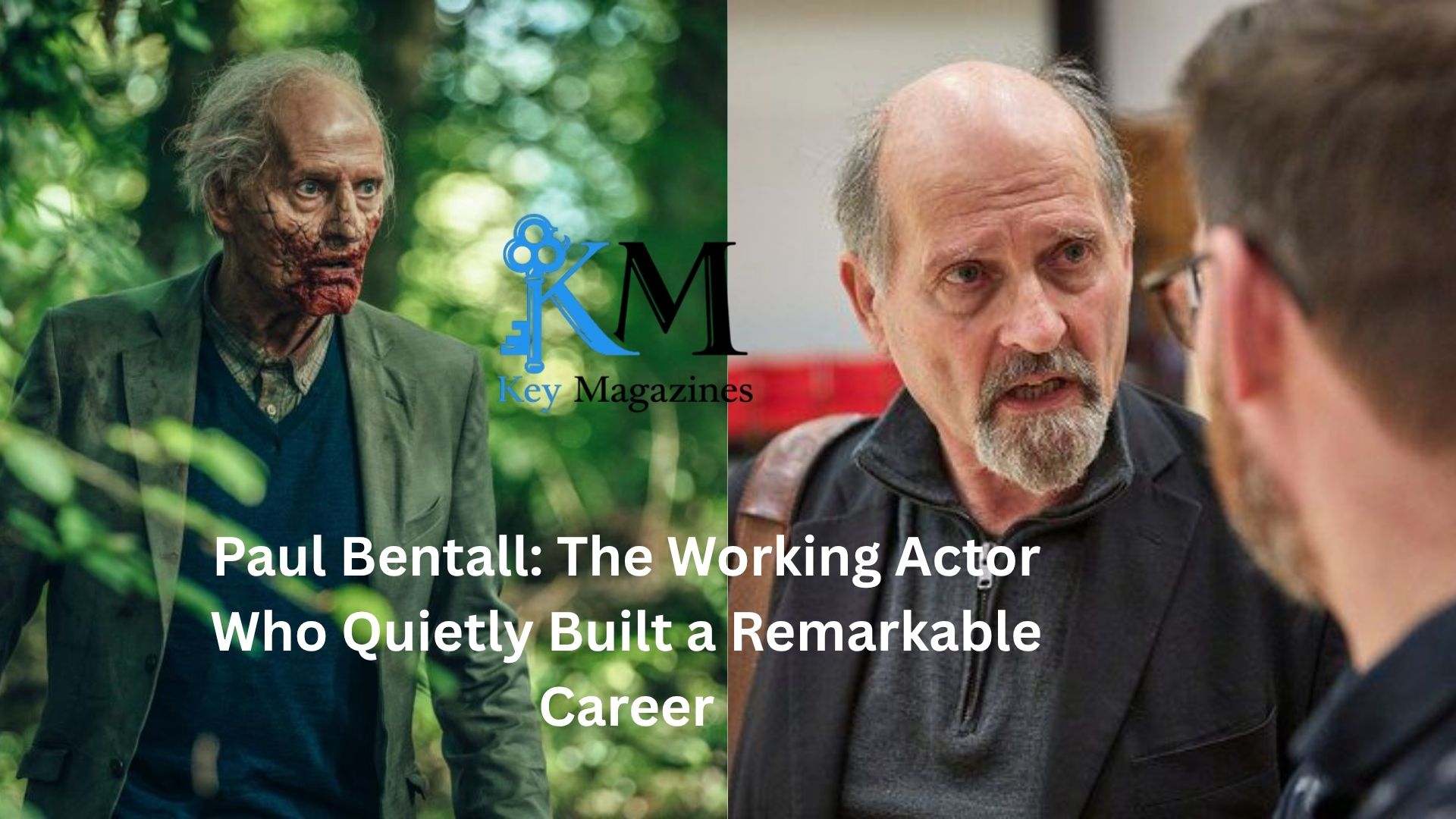
There’s a certain kind of actor most people recognize instantly, even if they can’t quite place the name. You see the face and think, “Wait, I know him from something.” That’s very much the story of Paul Bentall.
He’s never been the loudest person in the room. Never chased celebrity culture. Never turned himself into a headline machine. Yet for decades, he’s been steadily turning up in respected theatre productions, British television dramas, cult films, and major movie releases. And honestly, there’s something refreshing about that.
In a world where fame often feels louder than talent, Paul Bentall represents a different kind of success. The old-school version. The dependable actor who keeps working because he’s genuinely good at what he does.
That kind of career lasts.
Bentall was born in Westminster, London, in 1948 and built his reputation through years of stage work before becoming familiar to wider audiences through film and television appearances.
A Career Built the Hard Way
A lot of actors get one breakout role and spend years trying to recreate it. Bentall’s path looks completely different.
His career feels more like a craftsman’s journey than a celebrity story. Theatre first. Consistent work. Strong supporting performances. Gradually building trust with directors and casting teams.
And let’s be honest, that’s often the real backbone of British acting.
The UK entertainment world has always respected performers who can move comfortably between stage and screen. Bentall did exactly that. One month it might be Shakespeare. Another month a TV detective drama. Then suddenly he’s standing inside a major film production alongside huge stars.
That flexibility matters more than people realize.
Actors who survive for decades usually aren’t relying on hype. They’re reliable. Prepared. Adaptable. Directors know they’ll deliver.
Bentall became one of those actors.
You can see traces of that throughout his filmography. He appeared in Flash Gordon, later turned up in First Knight, and even appeared in The World’s End.
Now, none of those movies depend entirely on him. That’s not the point. What stands out is the range. Fantasy adventure. Historical drama. Sci-fi comedy. Different decades. Different audiences.
He kept evolving with the industry instead of getting stuck in one lane.
That’s harder than it sounds.
Why Character Actors Matter More Than Lead Stars Sometimes
Here’s the thing people often miss about actors like Paul Bentall.
Character actors are usually the glue holding everything together.
The lead might get the poster. The big emotional speech. The magazine cover. But supporting actors create texture. Believability. Atmosphere.
Imagine a historical drama where every side character feels fake or forgettable. The whole thing collapses.
Bentall has spent years playing the kinds of roles that make fictional worlds feel lived in. Judges, officials, authority figures, ordinary working men, theatre ensemble roles. Those performances don’t always dominate scenes, but they make scenes work.
And audiences notice subconsciously.
Think about watching a British TV drama on a rainy Sunday evening. You may not know every actor’s name, but when experienced performers show up, the whole production instantly feels more credible.
That’s what seasoned actors bring.
You trust them immediately.
Theatre Was Clearly Central to Him
Some screen actors treat theatre like a stepping stone. For others, it remains the heart of everything.
Bentall seems firmly in the second category.
His stage work stretches across major productions and respected venues, including performances connected with the National Theatre and West End productions.
And honestly, theatre actors often age differently in the industry.
That sounds strange, but it’s true.
Film and television can be brutally obsessed with youth. Theatre tends to value experience more openly. A performer in their 50s, 60s, or 70s can carry enormous weight on stage simply through presence and timing.
Bentall developed exactly that kind of career.
There’s also something deeply disciplined about theatre performers. Repeating a role night after night demands stamina and concentration most viewers never think about.
One weak take on a film set can be reshot.
A weak live performance happens in front of hundreds of people immediately.
No safety net.
Actors who come from that world usually bring a certain steadiness to screen performances too.
The Family Connection Makes the Story More Interesting
Another fascinating part of Paul Bentall’s life is how deeply acting runs through the family.
He’s married to actress Janine Duvitski, known for British television audiences from shows like Benidorm and Waiting for God. Their daughter Ruby Bentall also became a successful actress, appearing in productions like Poldark and The Serpent Queen.
That creates an interesting dynamic because acting families often understand the profession in a way outsiders don’t.
The uncertainty.
The strange schedules.
The auditions that go nowhere.
The temporary jobs between productions.
The emotional exhaustion after long shoots or stage runs.
A household filled with actors probably sounds chaotic to normal people. But there’s also likely a shared understanding there.
You don’t need to explain why a role matters.
Or why losing one hurts.
That kind of support can make a huge difference across a long career.
And unlike celebrity families constantly splashed across tabloids, the Bentall family has generally stayed fairly grounded and private. That alone feels unusual these days.
He Represents a Vanishing Type of Performer
Modern entertainment moves fast.
Very fast.
Actors now are expected to maintain social media brands, give viral interviews, build online followings, and stay visible almost constantly. Sometimes it feels like performance itself has become secondary.
Paul Bentall comes from a different era.
An era where the work spoke first.
That doesn’t mean older systems were perfect. Far from it. But there’s something admirable about actors who focused mainly on longevity and craft instead of constant self-promotion.
Bentall’s career survived industry changes that destroyed plenty of others.
Think about everything the entertainment world has gone through since the late 1970s:
Cable television.
Streaming.
The collapse of mid-budget films.
The rise of franchise cinema.
Changing theatre economics.
Social media culture.
Yet actors like Bentall kept finding work because strong performers remain valuable no matter how technology changes.
Good acting still matters.
A believable scene still matters.
The Comfort of Familiar Faces
There’s also a softer reason audiences connect with actors like Paul Bentall.
Familiarity.
British television especially has always been brilliant at creating that feeling. You spot an actor from an old detective series appearing in a modern drama and instantly feel more invested.
It’s comforting.
Like seeing an experienced teacher walk into the classroom after weeks of substitutes.
Bentall has that energy onscreen. Reliable. Grounded. Calm.
You may have seen him in something years ago without remembering exactly where. Then suddenly he appears again and your brain goes, “Oh good, this guy.”
That emotional recognition matters more than flashy celebrity sometimes.
British Acting Culture Helped Shape Careers Like His
The British entertainment system has historically produced a lot of durable actors because of how interconnected theatre and television became.
Many performers trained seriously on stage before ever touching film sets. That built technical skill early.
Projection.
Timing.
Physical control.
Text analysis.
Even when actors later moved into television, those foundations stayed with them.
Paul Bentall fits naturally into that tradition.
And there’s another thing worth mentioning. British productions have long relied heavily on ensemble casts rather than pure star vehicles. That creates space for experienced supporting actors to build meaningful careers over decades.
American entertainment can sometimes feel obsessed with individual fame.
British productions often feel more collaborative.
Bentall thrived in that environment.
Why Longevity Is More Impressive Than Overnight Fame
Let’s be honest for a second.
Lots of actors become famous quickly.
Very few remain respected after forty or fifty years.
Longevity tells you something important. It usually means the person is professional, adaptable, and consistently good to work with.
Nobody keeps hiring difficult actors forever.
Nobody repeatedly casts people who can’t deliver.
Bentall’s career quietly proves that steady work can be more meaningful than explosive fame. There’s dignity in that. Especially in creative industries where careers can disappear overnight.
And maybe that’s why people who truly love acting often admire performers like him more than headline-grabbing celebrities.
The career itself becomes the achievement.
Not just one role.
Not one award season.
The whole body of work.
Paul Bentall’s Legacy Feels Quiet but Lasting
Paul Bentall may never dominate internet trends or celebrity gossip pages, but that almost feels beside the point.
His legacy sits somewhere more substantial.
He represents the working actor at his best. The performer who strengthens every production he joins. The kind of actor directors trust instinctively. The kind audiences recognize without always realizing why.
There’s value in that kind of career.
Real value.
Especially now, when entertainment often rewards noise over consistency.
Bentall’s path reminds people that success doesn’t always need fireworks. Sometimes it looks like decades of solid performances, respected theatre work, meaningful collaborations, and a reputation for professionalism.