One million views sounds like a payday. It feels big. Viral. Like something that should come with a check that changes your week—maybe your month.
But here’s the thing: on TikTok, a million views doesn’t always mean what you think it means financially.
Some creators make a few dollars. Others make thousands off the exact same number of views. The difference isn’t luck—it’s how the platform actually pays, and what you do around those views.
Let’s break it down in a real-world way so you know what’s actually possible.
The short answer (and why it’s confusing)
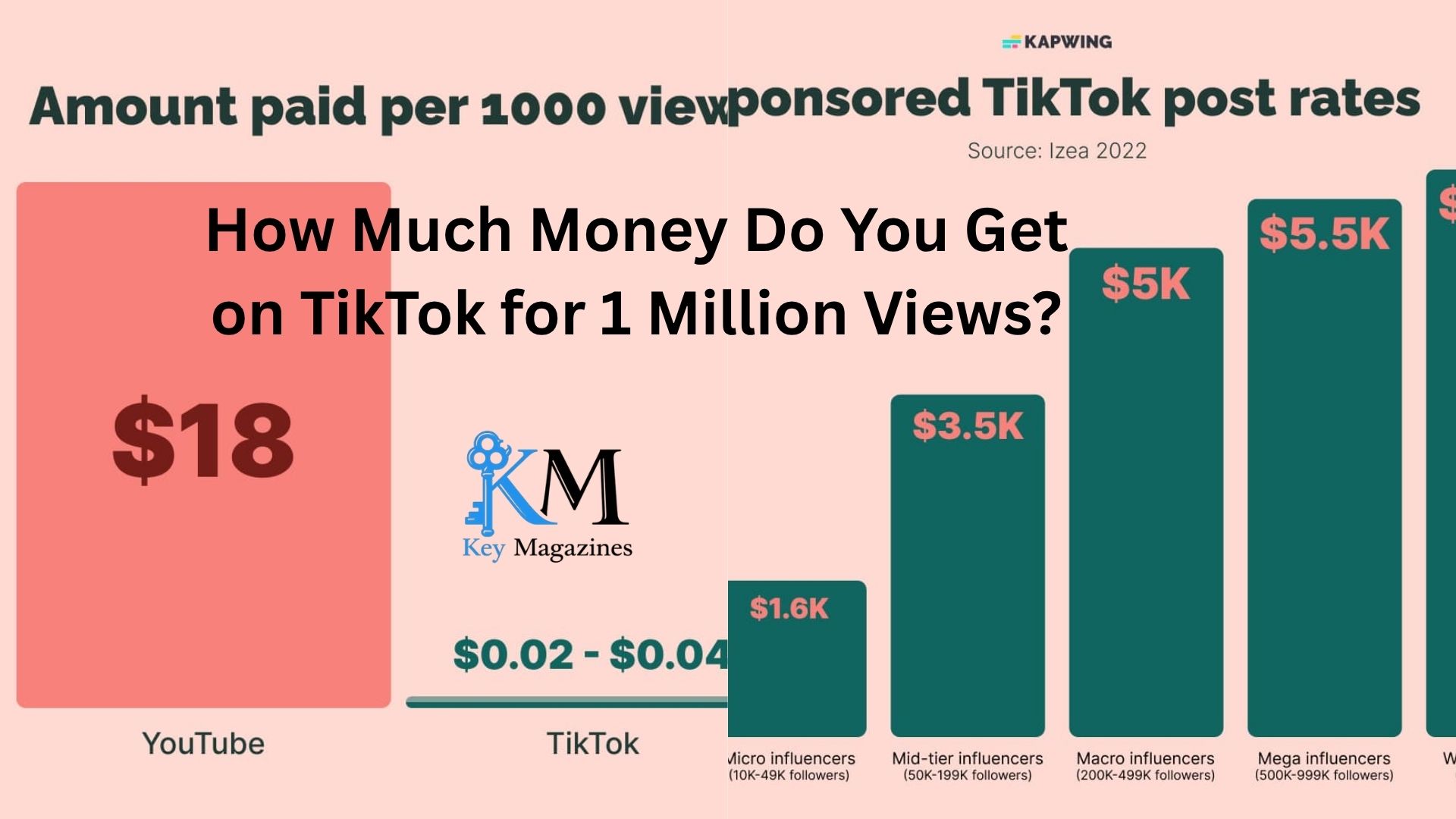
If you’re only relying on TikTok’s built-in payouts, 1 million views typically earns somewhere between $20 and $50.
Yeah. That low.
Sometimes a bit more. Occasionally less.
And that surprises almost everyone the first time they hear it.
TikTok’s Creator Fund (and now Creativity Program in some regions) doesn’t pay like YouTube ads. It’s not based on traditional ad revenue tied directly to each video. Instead, it’s a pool of money spread across creators, and the payout per view ends up being tiny.
So if your plan is “go viral, get rich from views,” that plan needs an upgrade.
Why the payout is so small
TikTok wasn’t originally built as a revenue-sharing platform. It was built for growth—fast, addictive, endless scrolling.
That means:
- Ads aren’t tied directly to your video views in a clear way
- The platform decides how to distribute earnings
- Short-form content doesn’t hold viewers long enough for high ad value
Compare that to YouTube, where someone might watch a 10-minute video with multiple ads. That’s a very different monetization model.
TikTok is more like exposure fuel than direct income.
And that’s not a bad thing—if you use it right.
A quick reality check with a scenario
Imagine two creators both hit 1 million views.
Creator A posts a funny clip, gets paid $35 from TikTok, and that’s it.
Creator B posts a similar viral clip—but they also have a link in their bio to a small product they sell. Even if just 0.2% of viewers click and a fraction of those buy, they might make $1,000+ from the same video.
Same views. Completely different outcome.
That’s the real story of TikTok money.
The Creator Fund vs Creativity Program
TikTok has been shifting how it pays creators.
The older Creator Fund is known for those low payouts—fractions of a cent per view.
The newer Creativity Program (available in some regions) pays better, but there’s a catch: it focuses on longer videos (usually over 1 minute).
With that program, a million views might earn anywhere from $100 to $800, depending on factors like watch time and audience location.
Still not massive. But noticeably better.
And it hints at where TikTok is heading—rewarding content that keeps people watching longer.
Not all views are equal
Here’s something most people don’t realize: a view isn’t just a view.
Where your audience is from matters a lot.
Views from countries like the US, UK, or Canada are usually more valuable than views from regions with lower advertising demand.
Also, how people watch matters:
- Do they watch the full video?
- Do they rewatch it?
- Do they engage (likes, comments, shares)?
A million passive scroll-bys won’t pay the same as a million engaged viewers who stick around.
So when someone says “I got 1 million views,” the real question is: what kind of views?
Brand deals: where the real money is
This is where things start to look very different.
Brands don’t care about TikTok’s payout system. They care about attention.
If you can consistently pull in hundreds of thousands or millions of views, companies will pay you directly to feature their product.
For a creator with solid engagement, 1 million views can translate into:
- $500 to $5,000 for a sponsored post
- Sometimes more, depending on niche and audience
And unlike the Creator Fund, this money isn’t capped by TikTok’s pool.
It’s negotiation-based.
For example, someone posting fitness tips might partner with a supplement brand. A cooking creator might get paid to feature a kitchen tool. Even small creators with 50k followers land deals if their engagement is strong.
This is why you’ll hear people say TikTok doesn’t pay—and also see creators making serious money.
They’re not talking about the same income stream.
Affiliate links and quiet income
Not every monetization path is flashy.
Some of the most consistent TikTok income comes from affiliate links.
Picture this: someone posts a short video showing a clever gadget—something oddly satisfying or genuinely useful. The video hits 1 million views.
In the caption or bio, there’s a link.
Even if just a small percentage of viewers click and buy, it adds up fast.
Let’s say:
- 1 million views
- 1% click-through = 10,000 people
- 2% of those buy = 200 sales
- $5 commission per sale
That’s $1,000 from one video.
No sponsorship needed. No direct payout from TikTok.
Just leveraging attention.
Selling your own product changes everything
This is where TikTok becomes powerful.
If you have something of your own—digital product, course, merch, even a simple ebook—1 million views can be a serious opportunity.
Because now you control the margins.
Even a low-priced product ($10–$20) can outperform TikTok’s direct payouts easily.
Creators who understand this don’t chase views just for numbers. They build systems around those views.
They think:
“How do I turn attention into something sustainable?”
And that’s where the shift happens—from posting for fun to building something.
Going viral once vs building consistency
One viral video feels amazing. But it’s not a business.
A lot of creators hit 1 million views once, earn almost nothing, and feel confused.
The ones who succeed treat it differently.
They study what worked:
- Was it the hook?
- The topic?
- The format?
Then they repeat and refine.
Because 1 million views once is interesting.
1 million views consistently? That’s leverage.
Brands notice. Audiences stick around. Income becomes predictable.
Engagement beats raw numbers
It’s tempting to focus on views alone, but engagement often matters more.
A video with 300,000 views and tons of comments, shares, and saves can outperform a 1 million view video where people just scroll past.
Why?
Because engagement signals trust and interest.
And trust is what drives:
- Purchases
- Follows
- Brand deals
So if you’re creating content, it’s worth thinking beyond “how do I get views?” and more about “how do I get people to care?”
Timing, niche, and content style matter more than you think
Two creators in different niches can have wildly different earnings from the same number of views.
A finance or business creator might attract higher-paying sponsorships than a meme page. A tech reviewer might earn more per deal than a general entertainment account.
That’s not about fairness—it’s about how valuable the audience is to advertisers.
Also, content style plays a role.
Educational or problem-solving videos often convert better than pure entertainment, because they naturally lead to products, services, or recommendations.
So when thinking about “how much 1 million views is worth,” it’s not just about volume—it’s about context.
The emotional side of viral numbers
Let’s be honest—seeing a video hit a million views feels like you’ve made it.
Then you check your earnings and see something like $28.
That disconnect can be frustrating.
But once you understand how the system works, it stops feeling like a rip-off and starts feeling like a tool.
TikTok isn’t paying you for views in a meaningful way.
It’s giving you access to attention.
And attention, used well, is far more valuable than any Creator Fund payout.
So what should you actually aim for?
If your goal is to make money from TikTok, the focus needs to shift slightly.
Views matter—but only as the starting point.
What matters more is:
- Building an audience that trusts you
- Creating content that leads somewhere (a link, a product, a brand deal)
- Understanding what your viewers actually want
Because 1 million views with no strategy is just a number.
1 million views with a plan? That’s an opportunity.
The takeaway
A million views on TikTok won’t make you rich on its own. Realistically, you’re looking at a small payout—maybe enough for a few meals, not a rent payment.
But that doesn’t mean it’s not valuable.
Those views are attention. And attention, when used intentionally, can turn into real income—through brand deals, products, affiliate links, or building something bigger over time.
So the better question isn’t “how much does TikTok pay for 1 million views?”
It’s “what am I doing with those 1 million views?”
That’s where the real money is.