Finding good art online used to feel exciting. Then it became exhausting.
You open one site and see the same polished names repeated everywhere. Another platform buries talented artists under endless filters and clutter. Social media helps for a while, but feeds move too fast. One minute you’re staring at a stunning charcoal portrait, and five seconds later you’re watching someone make pancakes.
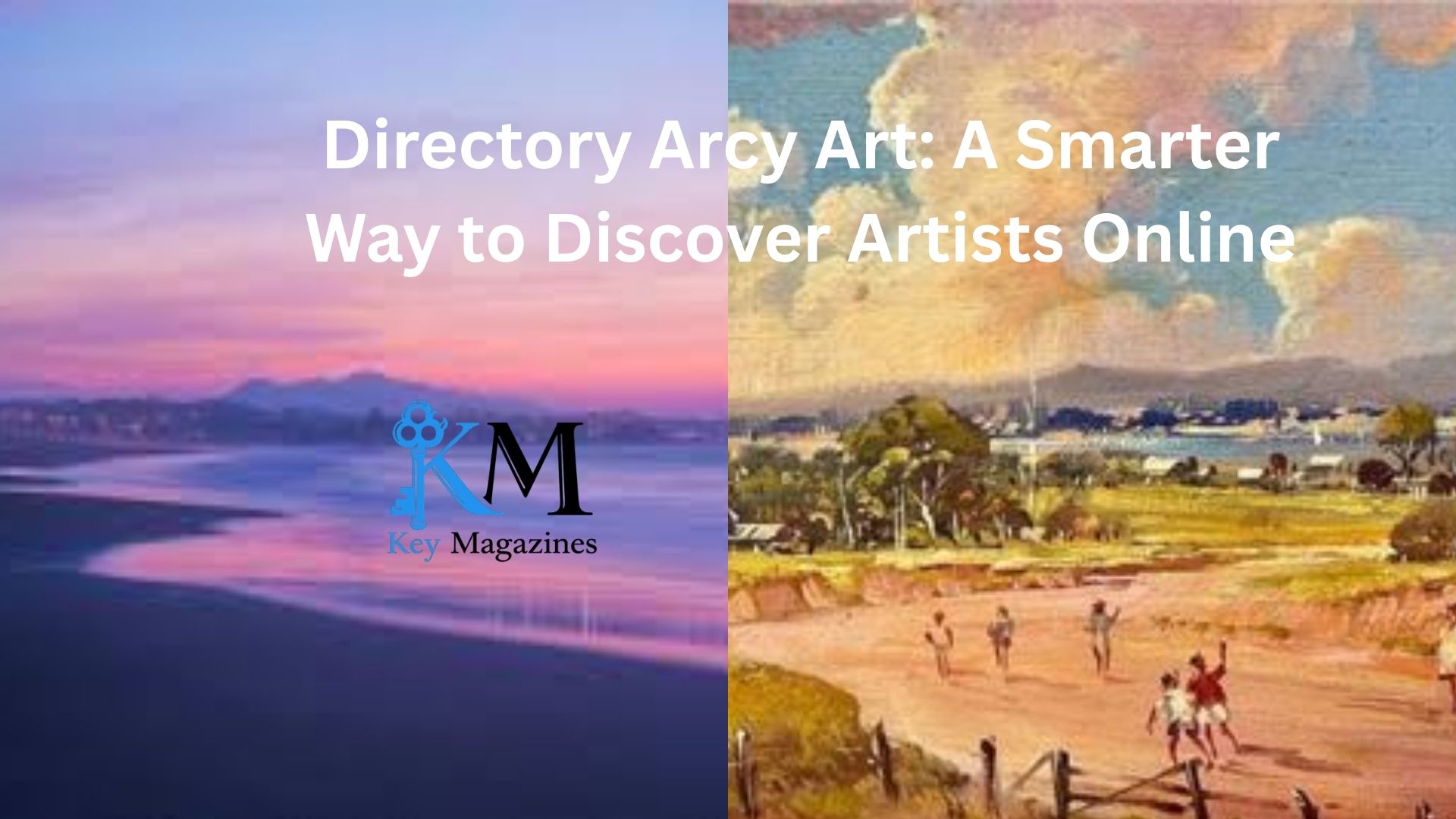
That’s part of why interest around directory arcy art keeps growing. People want a quieter, more organized way to discover artists, styles, and creative work without fighting algorithms every step of the way.
And honestly, there’s something refreshing about a well-built art directory. It feels closer to wandering through a real creative community instead of scrolling through noise.
Why Online Art Discovery Feels Broken
Most people don’t realize how difficult it is for artists to stay visible online.
A painter can spend forty hours finishing a piece and get buried because they posted at the wrong time. A digital illustrator might have incredible work but no interest in making short-form videos every day just to stay relevant. The internet rewards consistency and speed more than depth.
That creates a weird situation where truly interesting artists often become harder to find.
Directories solve a different problem than social platforms. They aren’t trying to keep you endlessly engaged. They’re trying to help you locate something specific — an artist, a medium, a style, maybe even inspiration.
That difference matters more than people think.
When someone searches through directory arcy art, they’re usually looking with intention. They’re not just casually consuming content. They want to explore.
The Appeal of Curated Creative Spaces
There’s a reason bookstores still feel better than giant online marketplaces.
Curation changes the experience.
A focused art directory gives visitors a sense that somebody cared about how things are organized. You can move through categories, discover artists you wouldn’t normally encounter, and spend time with work instead of skimming past it.
It slows the internet down a little.
That might sound small, but it changes how people interact with art.
Think about someone searching for contemporary abstract artists. On a regular social platform, they’ll likely see whatever has the highest engagement. In a dedicated directory setup, they may stumble onto an unknown artist from another country whose work speaks directly to them.
That kind of discovery still feels human.
Artists Need Visibility Without Constant Self-Promotion
Let’s be honest. Not every artist wants to become a content creator.
Some creators love marketing themselves. Others absolutely hate it.
A sculptor might want their portfolio visible without filming studio updates every morning. A watercolor artist may prefer painting over learning audience retention tactics. That doesn’t make their work less valuable.
Directories create breathing room for those artists.
Instead of relying entirely on social momentum, artists can maintain a searchable presence tied to their actual work. Visitors can browse portfolios, artist bios, styles, and categories in a more stable environment.
And stability matters online because platforms change constantly.
One algorithm update can wipe out years of reach overnight. A directory format feels less fragile.
What Makes a Good Art Directory Useful
Not every directory works well. Some feel abandoned. Others are overloaded with ads, broken links, or impossible navigation.
The good ones usually get a few things right.
First, they make browsing simple. You shouldn’t need ten clicks just to view artwork properly. Clean organization beats flashy design almost every time.
Second, categories need to make sense. Visitors often search emotionally before they search technically. Someone may not know they’re looking for “mixed media surrealism.” They just know they want bold, strange imagery that feels cinematic.
Good directories support that kind of exploration.
Third, artist pages should feel personal. Not overly polished. Just real enough to create connection.
A short background story can completely change how someone views a piece of art. Suddenly the painting isn’t just color on canvas anymore. It’s tied to a person, a city, a memory, a perspective.
That context sticks.
The Quiet Return of Intentional Browsing
A funny thing is happening online right now.
People are getting tired of endless feeds.
You can see it everywhere. Newsletters are growing again. Independent blogs still have loyal readers. Smaller communities feel more valuable than giant public platforms. People want spaces that feel focused instead of chaotic.
Directory arcy art fits naturally into that shift because it encourages intentional browsing rather than passive scrolling.
There’s less pressure to react instantly.
You can actually pause and look at something.
That sounds obvious, but it’s surprisingly rare now.
I remember talking to a designer friend who said she keeps separate bookmarks for artist directories because social media became “visually loud.” That phrase stuck with me. Visually loud. It perfectly describes the modern internet.
Directories feel quieter.
Why Emerging Artists Benefit the Most
Established artists usually already have visibility somewhere. Galleries know them. Collectors follow them. Search traffic exists.
Emerging artists face a completely different challenge.
They need discoverability before they have momentum.
That’s where organized directories can genuinely help. A new illustrator with a strong portfolio may appear alongside more experienced artists simply because the work fits the category well. Visitors explore based on interest instead of follower counts.
That levels the playing field a little.
And for art lovers, that’s actually exciting.
Nobody wants to discover only the same ten names forever. Finding someone new creates a stronger emotional reaction. It feels personal, almost accidental, like finding an incredible vinyl record in a tiny shop nobody talks about.
Those moments matter more than polished recommendation systems.
Art Discovery Feels Better Without Pressure
Social platforms subtly pressure users to react.
Like. Share. Comment. Save. Move on.
Directories remove some of that urgency.
You can browse without performing engagement.
That changes the emotional experience around art. Instead of consuming images rapidly, people spend longer with individual pieces. They compare styles. They revisit artists later. They explore categories they wouldn’t normally search for.
The experience becomes closer to wandering through galleries.
Not identical, of course. Physical art still carries a completely different presence. But thoughtful digital spaces can capture a small part of that feeling.
And sometimes that’s enough.
The Importance of Searchability
A lot of artists underestimate how valuable searchable organization really is.
Imagine someone looking for minimalist ink illustrations for a magazine project. Or a homeowner searching for local abstract artists whose work matches a modern interior. Or even a student researching contemporary collage techniques.
Searchable directories make those connections possible faster.
Without structure, excellent work disappears into the endless stream of online content.
Searchability may sound boring compared to creativity, but it’s one of the most practical tools artists can have. If people can’t find the work, they can’t connect with it.
Simple as that.
Not Everything Needs to Be an Algorithm
Here’s the thing many users are starting to realize: algorithms shape taste.
The more platforms optimize engagement, the more similar content rises to the top. Certain color palettes trend. Certain formats dominate. Certain styles become safer because they perform well.
Over time, originality can quietly get punished.
Directories operate differently because they rely more on structure than behavioral prediction. That creates room for unusual work.
And unusual work is often the most memorable.
Some of the best artists don’t fit neatly into trends. Their work takes longer to appreciate. It may feel strange at first glance. But that’s often where real artistic identity lives.
A directory environment gives those artists a fairer chance to be discovered naturally.
Building a More Sustainable Creative Ecosystem
Artists need more than attention. They need sustainable visibility.
That’s a major difference.
Temporary viral exposure can bring traffic for a day or two, but organized discoverability supports long-term growth. A directory listing might continue attracting viewers months or years later through searches, references, or category browsing.
That slower pace is healthier for many creators.
Not every artist wants internet fame. Some simply want the right audience to find them consistently over time.
And honestly, audiences benefit too.
When discovery becomes calmer and more organized, people engage with art more thoughtfully. They spend time exploring mediums they know little about. They encounter creators outside their immediate social bubble.
That broadens taste instead of narrowing it.
The Human Side of Digital Art Spaces
What makes directory arcy art interesting isn’t just organization. It’s the human side behind it.
People still crave connection through creativity.
Even online.
A visitor may discover an artist whose work reminds them of childhood summers. Another person might find illustrations that perfectly match a book project they’ve been imagining for years. Someone else may simply enjoy exploring visual styles during a stressful week after work.
Art doesn’t always need a grand purpose.
Sometimes it just helps people feel something specific for a few minutes.
That’s enough reason to make discovery easier.
Why Simplicity Wins
A lot of websites try too hard now.
Auto-playing videos. Pop-ups everywhere. Endless animations. Notifications before you’ve even looked at the homepage.
Art rarely benefits from that kind of chaos.
Simple presentation usually works better because the artwork becomes the focus. Clean directories create space for visual breathing room. Visitors stay longer when they don’t feel overwhelmed immediately.
It’s similar to gallery design in real life. Good galleries understand restraint. They know blank wall space matters.
Digital art spaces could learn from that.
Final Thoughts
Directory arcy art reflects something bigger happening online. People are searching for calmer, more intentional ways to discover creativity.
Not everything needs to move at algorithm speed.
Artists deserve spaces where their work can exist without constant pressure to perform, post, or chase visibility trends. Viewers deserve better discovery experiences too — ones built around curiosity instead of distraction.
A thoughtful art directory won’t replace galleries, social media, or personal websites. It serves a different purpose. It helps people find meaningful work in a cleaner, more focused environment.
And right now, that feels surprisingly valuable.