TikTok used to be just dancing, trends, and the occasional oddly satisfying cleaning video. Now it’s trying to sell you stuff. Everywhere.
You scroll for a few minutes and suddenly you’re watching someone swear that a $9 gadget changed their life. There’s a bright little shopping cart icon. A limited-time discount. Thousands of comments. It feels impulsive. Almost too easy.
So the obvious question comes up: is TikTok Shop legit, or is it just another place to get burned?
The answer isn’t a clean yes or no. It’s a mix of both—and that’s exactly why it’s worth understanding how it actually works before you start tapping “Buy Now.”
What TikTok Shop Really Is (And Why It Feels Different)
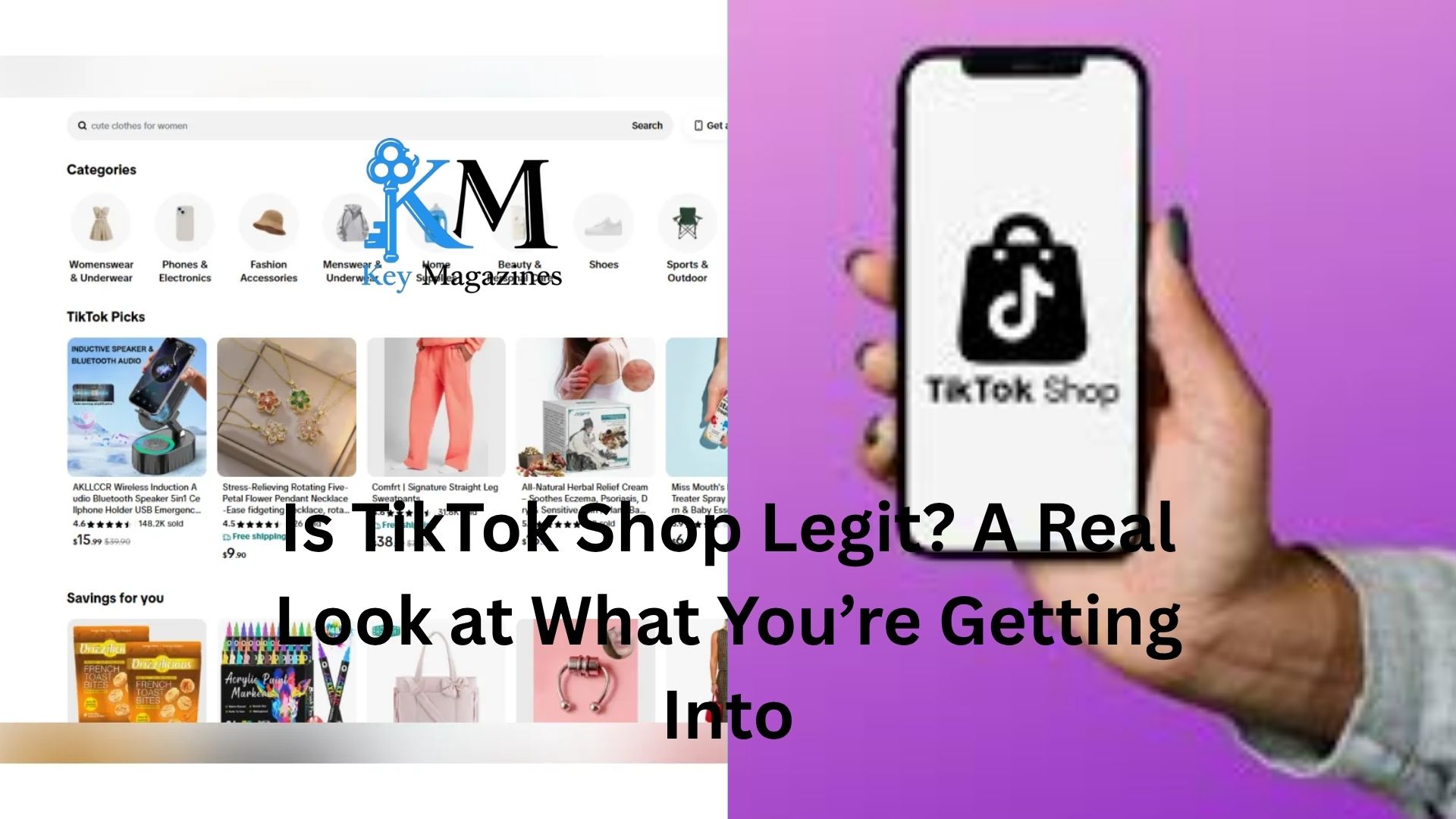
TikTok Shop isn’t a separate app or marketplace. It’s built directly into the scrolling experience. That’s what makes it powerful—and a little dangerous.
Instead of searching for a product, you stumble into it. Someone’s using it in real time. They’re talking casually, maybe even messing up a bit. It feels unscripted. Real.
And that’s the hook.
A traditional online store says, “Here’s a product, do you want it?” TikTok says, “Hey, look what I just tried… wait till you see this.”
That subtle shift matters. It lowers your guard.
Now, technically speaking, TikTok Shop is a legitimate e-commerce platform. It processes payments, tracks orders, and offers refunds in many cases. Big brands use it. Small sellers use it. Influencers promote products through it.
So yes, the platform itself is real.
But the experience depends heavily on who you’re buying from.
The Good Side: When TikTok Shop Works Well
There are genuinely good deals and solid products on TikTok Shop. That’s not hype—it’s just reality.
Sometimes you’ll find small businesses that don’t have polished websites yet but are selling quality items. Sometimes brands use TikTok Shop to clear inventory at lower prices than Amazon. And occasionally, you’ll come across a product demo that’s actually useful.
Picture this: someone shows how a simple kitchen tool cuts prep time in half. No dramatic music, no fake reactions—just a quick before-and-after. You think, “Okay, that’s actually helpful.” You buy it. It arrives. It works exactly as shown.
That happens more often than people expect.
Shipping is usually tracked. Payments are handled securely. And TikTok has introduced buyer protection policies in many regions, which helps reduce outright scams.
There’s also something refreshing about seeing products in use instead of staged product photos. You get a better sense of size, texture, and real-world performance.
But—and this is a big “but”—the same system that makes it feel authentic also makes it easy to manipulate.
Where Things Get Sketchy
Let’s be honest. Not every TikTok seller is trustworthy.
The biggest issue isn’t TikTok itself. It’s the variety of sellers using the platform. Anyone can list products, and not all of them care about quality or customer experience.
You might see a viral product with glowing reviews, only to realize later those reviews are shallow or repetitive. Some are genuine. Some… not so much.
Then there’s the classic scenario: the product looks amazing in the video, but what arrives feels cheaper, flimsier, or slightly off.
It’s not always a scam. Sometimes it’s just inflated expectations.
Other times, though, it’s more obvious. Long shipping delays. Poor communication. Refunds that take effort to chase down.
One common pattern is dropshipping. A seller promotes a product they don’t actually stock. When you order, they purchase it from a third-party supplier—often overseas—and have it shipped to you.
That’s why you’ll sometimes wait two or three weeks for something that looked like it would arrive in days.
The Influencer Effect (And Why It Matters)
Here’s where TikTok Shop gets tricky.
A lot of products are promoted by creators who earn a commission on each sale. That’s not inherently bad—it’s how affiliate marketing works everywhere—but it does influence how things are presented.
When someone says, “This is the best thing I’ve ever bought,” it might be true. It might also be… strategic enthusiasm.
The line between honest recommendation and sales pitch gets blurry.
And because TikTok content moves fast, there’s less time for skepticism. You’re reacting in the moment. You’re not comparing reviews across five different sites. You’re watching, liking, and buying within minutes.
That’s exactly how the system is designed.
How to Tell If a TikTok Shop Listing Is Legit
You don’t need to avoid TikTok Shop altogether. You just need to approach it with a bit more awareness.
Start with the seller profile. A legitimate seller usually has a consistent presence—multiple products, real engagement, and content that doesn’t feel copy-pasted.
Look at reviews, but read them like a human, not a robot. If every review sounds the same or uses vague praise like “good product” without specifics, be cautious.
Check shipping times. If it says two weeks or more, you’re probably dealing with a middleman setup.
Also, pay attention to how the product is demonstrated. Is it shown from multiple angles? Are there cuts that hide important details? Does it feel too perfect?
A quick trick: search for the same product outside TikTok. If you find it on another site for half the price, you’ve learned something important.
Refunds, Returns, and What Happens If Things Go Wrong
TikTok Shop does offer buyer protection, but it’s not always as smooth as major retailers.
If something goes wrong, you’ll usually need to go through the seller first. Some respond quickly and resolve issues. Others… take their time.
If the seller doesn’t cooperate, you can escalate through TikTok’s support system. In many cases, refunds are granted if there’s clear evidence of a problem.
Still, it’s not as frictionless as returning something to a big-name store.
That’s why it helps to treat TikTok Shop purchases like medium-risk buys. Not dangerous—but not completely foolproof either.
Who Should (and Shouldn’t) Use TikTok Shop
If you’re someone who enjoys discovering new products and doesn’t mind a bit of unpredictability, TikTok Shop can actually be fun.
It’s great for small purchases. Things under $20 or $30 where the risk feels manageable. Gadgets, accessories, novelty items—those tend to be safer bets.
But if you’re buying something expensive or important—electronics, health products, anything that really needs reliability—it’s smarter to slow down and buy from a more established source.
That’s not fear-based advice. It’s just practical.
So… Is TikTok Shop Legit?
Yes, TikTok Shop is legit as a platform. It processes real transactions and delivers real products.
But the experience varies wildly depending on the seller, the product, and how carefully you shop.
Think of it less like a curated store and more like a busy market. Some vendors are excellent. Others are forgettable. A few should probably be avoided.
If you go in expecting that—and you keep your guard up just a little—you’ll probably have a decent experience.
If you treat every viral product like a guaranteed win, you’re setting yourself up for disappointment.
The Bottom Line
TikTok Shop isn’t a scam. It’s also not a perfectly safe, polished shopping environment.
It sits somewhere in the middle.
That’s what makes it interesting—and risky at the same time.
Use it for discovery. Double-check before buying. Keep expectations realistic.
And maybe give yourself a minute before hitting that checkout button. Because the biggest danger isn’t getting scammed—it’s buying something you didn’t even know you wanted five seconds ago.