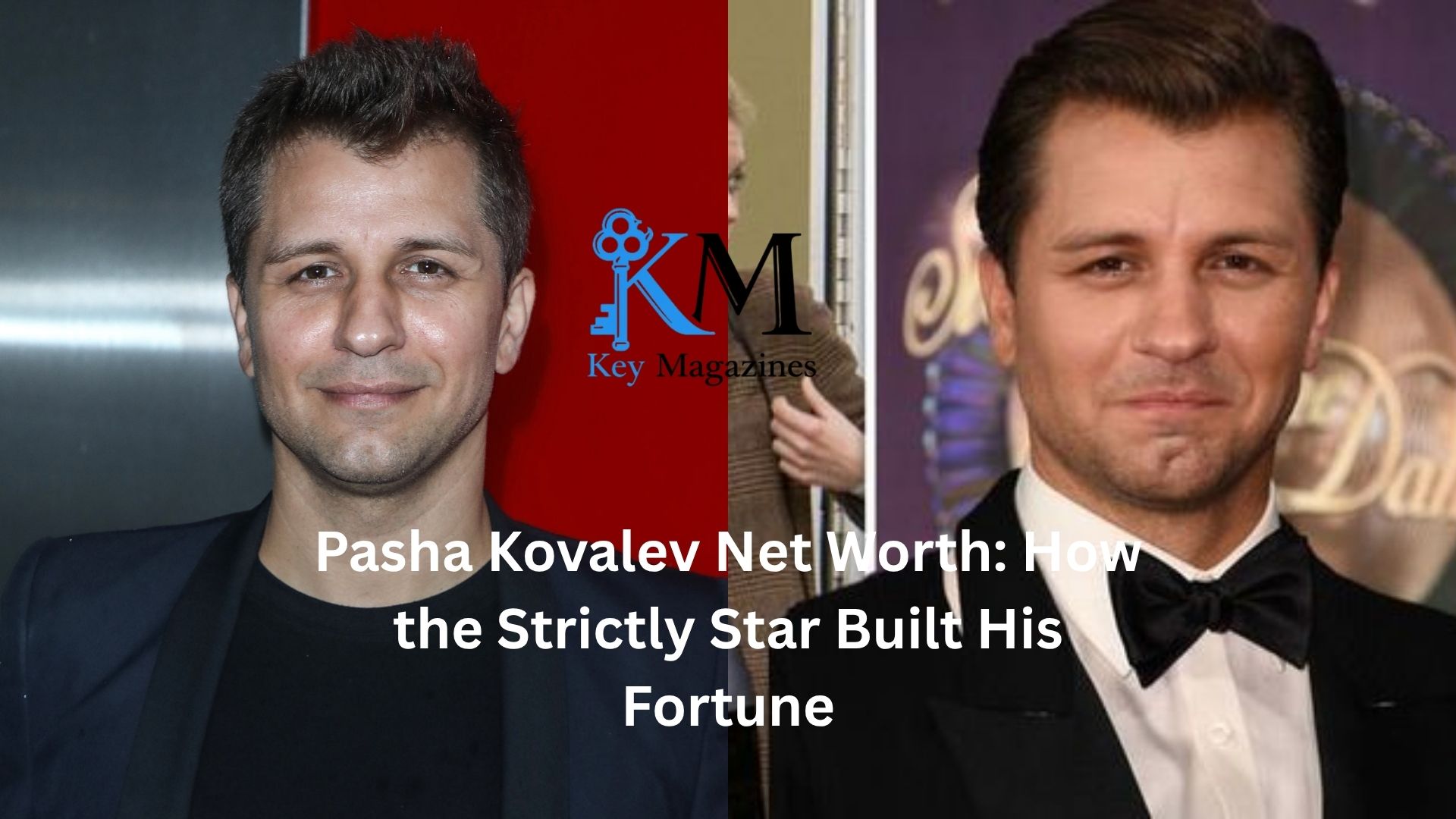
Pasha Kovalev has never really been the loudest celebrity in the room. That’s part of the reason people like him. While some reality TV stars seem to chase headlines nonstop, Pasha built his career in a quieter way — through dancing, television work, live tours, and a surprisingly steady public image.
Still, one question keeps popping up online: what is Pasha Kovalev’s net worth, and where did all that money actually come from?
The answer isn’t just “Strictly Come Dancing.” His financial story is a mix of competitive dance success, TV exposure, touring, business decisions, and long-term career consistency. And honestly, that consistency matters more than people think.
Pasha Kovalev’s Estimated Net Worth
Most estimates place Pasha Kovalev’s net worth somewhere between $3 million and $5 million.
That number varies depending on the source because celebrities rarely publish their finances openly. But when you look at his career over the past two decades, the estimate makes sense.
Before becoming a well-known personality on British television, he built a career as a professional dancer for many years. Then came nationwide tours, stage productions, sponsorship opportunities, and appearances that continued even after he stepped away from Strictly.
Unlike celebrities who burn bright for two years and disappear, Pasha built a career with staying power. That’s usually where the real money comes from.
Before Fame, There Was Competitive Dance
People often forget how expensive and demanding professional ballroom dancing can be.
Pasha Kovalev was born in Siberia, Russia, and started dancing at a young age. By his teens, he was already competing seriously. Competitive dance isn’t just talent and glitter costumes. Families spend huge amounts on travel, coaching, training, and competitions.
But for elite dancers who make it to the international level, there’s real earning potential later on.
Pasha eventually moved into the world of professional Latin and ballroom competitions, partnering with fellow dancer Anya Garnis. The pair gained recognition on the global dance circuit and later appeared on the American TV show So You Think You Can Dance.
That exposure mattered.
A lot of dancers are technically brilliant but never become commercially successful because nobody outside the dance world knows their name. Television changed that for him.
Strictly Come Dancing Changed Everything
Here’s the thing: Strictly Come Dancing has been a career-making machine for years.
When Pasha joined the show in 2011 as a professional dancer, he entered millions of British homes almost overnight. Viewers connected with his calm personality, sharp choreography, and slightly reserved charm.
He wasn’t flashy in the traditional celebrity sense. He didn’t need to be.
Over time, he became one of the show’s most recognizable professionals. His partnership with actress Caroline Flack in 2014 led to a series win, which pushed his popularity even higher.
And popularity on a major television show usually translates directly into income.
Professional dancers on Strictly reportedly earn salaries that increase with experience and prominence. While exact figures aren’t public, long-serving professionals can earn significant yearly pay, especially when they remain fan favorites.
But the real financial boost often comes from what happens outside the show.
Touring Became a Major Income Stream
Television gives visibility. Touring brings cash flow.
After becoming a household name, Pasha launched multiple dance tours across the UK alongside his then-partner Rachel Riley, the mathematician and TV presenter best known from Countdown.
Live dance tours can be surprisingly lucrative. Ticket sales, VIP packages, merchandise, and sponsorships all add up. And unlike a one-off TV paycheck, tours can run for months.
Think about it this way. A successful national theatre tour might hit dozens of cities. Even moderate ticket prices multiplied across thousands of seats create serious revenue potential.
Pasha also benefited from having a loyal audience demographic. Strictly fans tend to actually buy tickets. That’s important. Social media followers don’t always equal spending power, but middle-aged theatre audiences absolutely do.
It’s not unusual for successful television dancers to earn more from touring than from TV salaries themselves.
TV Appearances Added Another Layer
Although Strictly remains the centerpiece of his public career, Pasha appeared in other entertainment projects over the years.
Reality TV personalities often earn appearance fees for guest spots, panel shows, interviews, and special events. These opportunities may not make headlines individually, but collectively they can become a reliable source of income.
There’s also the value of simple recognizability.
Once someone becomes a trusted TV personality, opportunities tend to keep arriving quietly in the background. Hosting gigs. Corporate appearances. Brand collaborations. Dance workshops. Charity events.
Not every income stream needs to be dramatic to matter financially.
Actually, the celebrities who maintain wealth longest are often the ones doing steady work people barely notice.
His Relationship With Rachel Riley Increased Public Interest
Pasha’s relationship with Rachel Riley drew considerable media attention over the years, especially because both became well-known television personalities in Britain.
Celebrity couples naturally attract more press coverage, which can increase public visibility and professional opportunities.
Now, to be fair, media attention can work both ways. Sometimes it becomes exhausting or invasive. But from a career standpoint, being part of a recognizable public couple often keeps someone relevant longer than they might otherwise remain.
The pair also toured together, which blended personal and professional branding in a smart way without feeling overly manufactured.
That balance helped.
Some celebrity partnerships look aggressively commercial. Pasha and Rachel always came across more relaxed and believable, which audiences generally respond to better.
Why Leaving Strictly Didn’t Hurt Him Financially
When Pasha left Strictly Come Dancing in 2019, some viewers assumed he might fade from public attention.
That didn’t really happen.
By that point, he had already built enough recognition and industry credibility to continue working independently. In some ways, leaving the weekly television schedule may even have given him more flexibility.
There’s a misconception that celebrities instantly lose income once they leave a major show. Sometimes the opposite is true.
Without the demands of a full TV production calendar, performers can focus on projects that offer better margins or greater personal control. Touring, private events, choreography work, and selective media appearances can still generate substantial earnings.
And honestly, Pasha never seemed interested in chasing constant fame anyway. He appears more selective than attention-hungry.
That kind of reputation often helps careers last longer.
Lifestyle and Spending Habits Matter Too
Net worth isn’t only about earning money. Keeping it matters just as much.
One reason Pasha Kovalev’s finances appear relatively stable is that he doesn’t project the kind of extravagant celebrity lifestyle that drains wealth quickly.
You don’t constantly see headlines about luxury car collections, reckless purchases, or chaotic financial drama. That sounds simple, but it’s actually a huge advantage.
A surprising number of entertainers earn millions and still end up financially unstable because their spending grows faster than their income.
Pasha’s public image has always leaned more grounded than glamorous. Family-focused. Professional. Fairly private.
That usually points toward smarter long-term financial management.
Of course, nobody outside his inner circle knows the details of his investments or assets. But from the outside, he doesn’t seem driven by flashy status symbols.
And let’s be honest — low-drama celebrities often build wealth more quietly than people realize.
The Hidden Value of Reputation
In entertainment, reputation is money.
Producers want reliable people. Tour organizers want professionals who show up on time. Brands prefer personalities who won’t create scandals every few months.
Pasha built a reputation for professionalism over many years on television. That has real financial value even if audiences never think about it directly.
A dancer with technical skill is common at the elite level. A dancer with technical skill, public appeal, and a trustworthy reputation is much rarer.
That combination keeps opportunities coming.
It’s similar to how certain actors or presenters continue getting hired for decades. Sometimes talent gets you noticed, but reliability keeps you employed.
Social Media Isn’t His Main Business — And That’s Interesting
These days, many celebrities rely heavily on influencer deals and social media branding. Pasha’s online presence has always felt more understated compared to younger reality TV personalities.
That’s actually kind of refreshing.
He built most of his wealth before influencer culture fully took over entertainment. His income streams came from traditional performance work: television, touring, dance, and live audiences.
There’s something more durable about that model.
Influencer fame can disappear fast when algorithms shift or trends change. Stage performers and television professionals often have longer-lasting audience relationships.
Fans who watched Pasha on Strictly for years are more likely to continue supporting his projects than casual followers chasing internet trends.
So, What’s Pasha Kovalev Worth Today?
Realistically, Pasha Kovalev’s net worth appears to sit comfortably in the multi-million-dollar range.
Not billionaire-level celebrity wealth. Not Hollywood blockbuster money. But definitely the result of a successful entertainment career built carefully over time.
His financial success comes from several overlapping factors:
- Years on one of Britain’s biggest television shows
- Successful live dance tours
- International dance experience
- Media appearances and public recognition
- Long-term professional credibility
- Consistent work rather than short bursts of fame
And maybe that last point explains his career best.
Pasha Kovalev never seemed obsessed with becoming a tabloid superstar. Instead, he focused on being very good at what he does, staying likable, and building gradually. It’s less dramatic than overnight celebrity stories, but usually far more sustainable.
In the entertainment world, that’s often the smarter path.