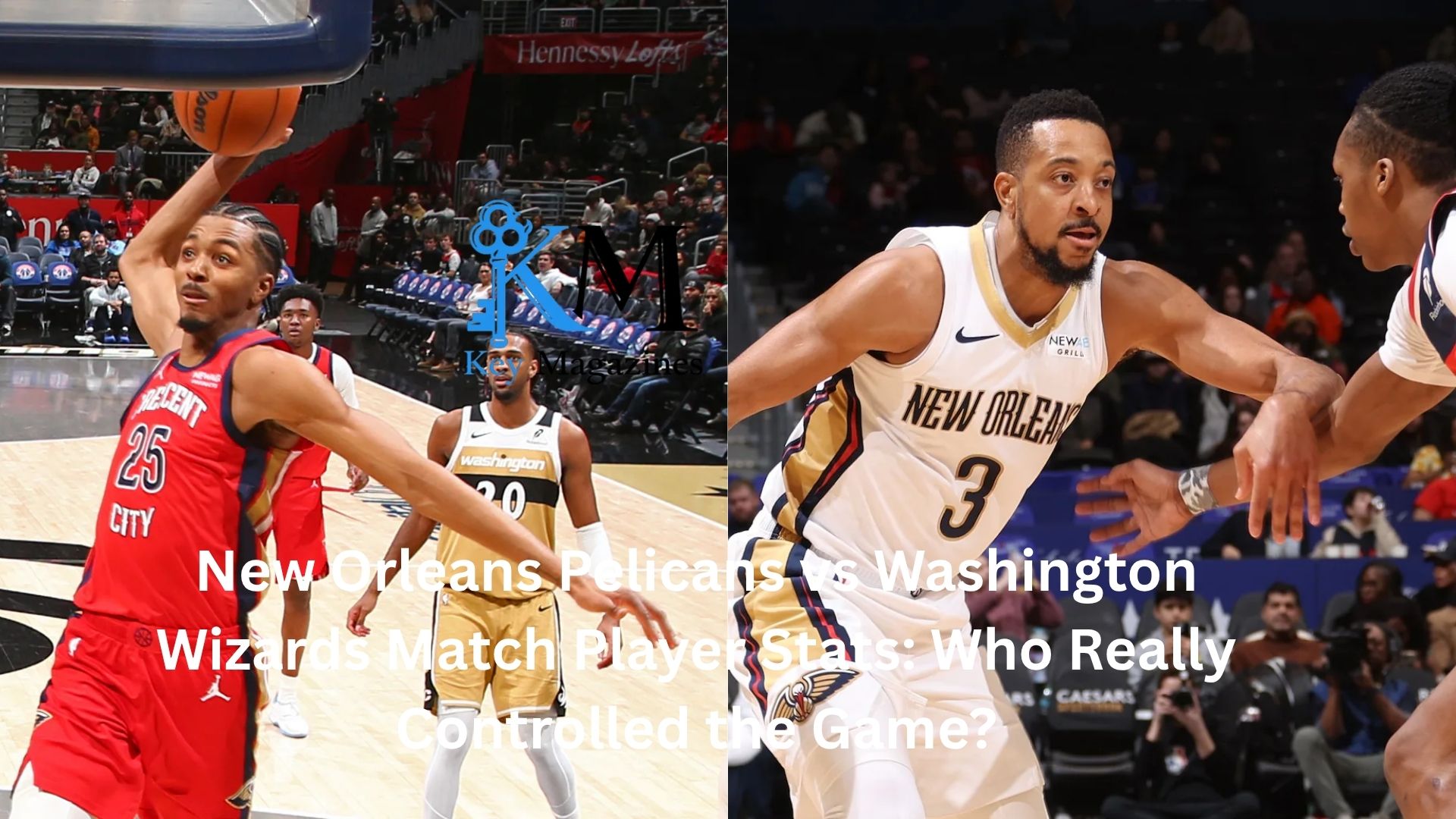
Some NBA games feel over before halftime. Others turn into a weird tug-of-war where one hot shooting stretch changes everything. A New Orleans Pelicans vs Washington Wizards matchup usually lands somewhere in the middle. You get athleticism, pace, streaky offense, and a lot of individual stat lines that tell a bigger story than the final score alone.
That’s what made this game interesting.
The box score looked fairly normal at first glance. A few players crossed the 20-point mark. Rebounds were spread around. Assists looked balanced enough. But once you dig into the player stats, the game starts making more sense. You can see who dictated tempo, who disappeared during key moments, and which role players quietly swung momentum.
And honestly, those details matter more than the headline score.
Zion Williamson Set the Physical Tone Early
Whenever Zion Williamson plays aggressively from the opening tip, the entire rhythm changes. Defenders start collapsing into the paint. Help rotations get messy. Shooters suddenly have cleaner looks.
That happened again here.
Zion attacked downhill instead of settling. He finished through contact, got to the free-throw line consistently, and forced Washington’s interior defenders into foul trouble. His stat line stood out not just because of the points, but because of efficiency.
He didn’t need 25 shots to dominate.
That’s the difference between a good scoring night and actual control of a game.
There were stretches where Washington simply had no answer when he caught the ball near the elbow. One defender wasn’t enough. Two defenders opened passing lanes. It became pick-your-poison basketball.
You could almost feel the Wizards getting hesitant. Players stopped challenging him directly at the rim. That’s when Zion becomes even more dangerous because confidence snowballs fast with him.
His rebounds mattered too. Not flashy numbers necessarily, but momentum rebounds. The kind that end second-chance opportunities and let New Orleans run before the defense sets itself.
Sometimes a player’s impact isn’t about dropping 40. It’s about making the other team uncomfortable for 36 minutes.
That was Zion’s night.
CJ McCollum Did the Quiet Veteran Work
CJ McCollum’s stat lines often sneak up on people.
You look up midway through the fourth quarter and realize he already has 22 points, 6 assists, and maybe one turnover. Nothing dramatic. Just smooth basketball.
That’s pretty much what happened against Washington.
While Zion forced physical pressure inside, McCollum balanced things from the perimeter. His mid-range game slowed the pace whenever the Pelicans looked rushed. That matters more than fans sometimes realize.
Young teams can get sped up easily. Especially against a team like Washington that likes transition opportunities.
CJ prevented that.
He hit timely threes, controlled possessions late in the shot clock, and made smart reads off screens. The assist numbers reflected it. Several Pelicans baskets came from simple veteran decisions: one extra pass, one hesitation dribble, one defensive mismatch recognized early.
Not every great performance has viral highlights attached to it.
McCollum’s value showed up in the flow of the game. Coaches love that kind of production because it stabilizes everyone else around it.
The Wizards Needed More From Jordan Poole
Jordan Poole remains one of the most unpredictable players in the league.
When he’s rolling, he looks impossible to guard. Deep pull-up threes, quick first-step drives, transition scoring bursts — it all comes together fast. But inconsistency still follows him.
Against New Orleans, the stat sheet reflected that unevenness.
Poole had moments where he looked electric offensively. A couple of difficult shots fell. He created separation well in isolation situations. But efficiency became an issue as the game progressed.
That’s where the numbers tell the truth.
A player scoring 24 points sounds great until you notice it took 23 shots to get there. Add a few turnovers and suddenly the impact feels different.
The Pelicans forced him into tough decisions late in possessions. Herb Jones especially deserves credit here. His defensive pressure made Poole work for almost everything.
There’s a fine line between confidence and forcing offense. Washington crossed that line a few times during critical stretches.
And here’s the thing: against disciplined teams, rushed possessions usually become transition points the other way.
That happened repeatedly.
Brandon Ingram’s All-Around Numbers Mattered More Than Scoring
Some nights Brandon Ingram scores 35 and takes over. Other nights he affects the game in quieter ways.
This matchup leaned toward the second version.
Ingram’s scoring numbers were solid without being explosive, but his passing stood out. Washington trapped him aggressively on the wing, which opened opportunities for cutters and corner shooters.
He made the right reads consistently.
That’s a sign of growth in his game.
A few seasons ago, Ingram might’ve tried to shoot over double teams more often. Now he’s reading defenses patiently. His assist total reflected that maturity.
There was also solid defensive engagement from him throughout the game. Not perfect, but active. Deflections, contests, switching effort — those little plays add up over four quarters.
Fans sometimes reduce players to points per game only. But basketball doesn’t work that way anymore.
A 19-point, 8-assist, 7-rebound performance can be more valuable than a sloppy 30-point night.
Ingram gave New Orleans balance.
Washington’s Frontcourt Had Trouble Controlling the Glass
Rebounding stats don’t always jump off the screen when people discuss games online. Everyone focuses on scoring first. But this matchup showed exactly why rebounding still decides outcomes.
The Pelicans won too many second-chance situations.
Washington struggled boxing out consistently, especially when Zion and the Pelicans’ bigger wings attacked the offensive glass together. Extra possessions quietly shifted momentum multiple times.
You could see frustration building.
Nothing drains energy faster than playing strong defense for 20 seconds only to give up an offensive rebound and another shot attempt.
That happened to Washington over and over.
Their big men had decent individual rebounding totals, but team rebounding tells a different story. Guards weren’t helping enough. Rotations got messy after defensive switches. Loose balls favored New Orleans because they simply reacted quicker.
Those hidden possessions matter.
A team can shoot similarly from the field and still lose comfortably because of rebounding gaps and turnovers.
That’s exactly the type of game this became.
Bench Production Quietly Tilted the Matchup
Every NBA coach talks about bench production for a reason.
Star players usually cancel each other out to some degree. Depth is often where games swing unexpectedly.
New Orleans got stronger minutes from its second unit.
The bench didn’t necessarily produce massive scoring totals, but the energy stayed consistent when starters rested. That’s huge during regular-season games where momentum can disappear quickly.
A backup guard hitting two timely threes doesn’t always become the headline story. Neither does a reserve forward grabbing four offensive rebounds in limited minutes.
But coaches notice it immediately.
Washington’s bench felt less stable. There were scoring bursts, sure, but defensive breakdowns followed. The Wizards also struggled containing dribble penetration once rotations changed.
That created easier looks for the Pelicans’ role players.
And honestly, that’s where experienced teams separate themselves. The good teams survive non-star minutes. The struggling teams often lose control during them.
Herb Jones Deserves More Attention
Defensive stats still don’t fully capture players like Herb Jones.
Steals and blocks only tell part of the story.
Watching him defend is different from reading the box score afterward. He disrupts timing. He forces offensive players wider than they want to go. He recovers unusually fast after switches.
Against Washington, his impact showed up everywhere.
Poole saw him constantly. Passing lanes closed faster. Perimeter shooters got fewer clean looks. Even simple handoffs became harder to execute smoothly.
There’s a reason New Orleans looks more connected defensively when Herb is active.
One sequence in particular summed up his night. He forced a difficult shot on one possession, sprinted in transition on the next, then dove for a loose ball moments later. Those hustle plays energize teammates immediately.
Every contender needs players like that.
Not glamorous. Just essential.
The Pace of the Game Favored New Orleans
Washington prefers chaos sometimes. Fast possessions. Quick shots. Transition opportunities.
New Orleans handled that better than expected.
The Pelicans picked smart moments to run while avoiding careless pace. That distinction matters. Playing fast doesn’t mean rushing everything.
Their assist numbers reflected controlled offense rather than random movement.
Meanwhile, Washington occasionally looked trapped between styles. Too rushed in the half court. Not fast enough in transition defense. Those awkward in-between games usually create turnovers and poor shot selection.
The Pelicans capitalized.
A lot of modern NBA games come down to discipline disguised as pace. Teams think they’re attacking quickly, but really they’re just speeding themselves into mistakes.
New Orleans stayed composed longer.
What the Player Stats Really Revealed
At the end of the night, the player stats painted a pretty clear picture.
The Pelicans got efficient scoring from their stars, steady veteran leadership from McCollum, strong defensive activity from Herb Jones, and enough depth to maintain control.
Washington had individual scoring performances that looked respectable statistically, but the efficiency gaps, rebounding issues, and defensive inconsistency kept showing up at the worst moments.
That’s the tricky thing about NBA box scores.
Two teams can appear relatively close in raw numbers, but context changes everything. Twenty-five points on efficient shooting matters more than 25 points built on forced possessions. Eight rebounds matter differently depending on timing. Assists tell different stories depending on offensive flow.
Basketball fans who only glance at final totals miss half the game.
This matchup proved that again.
The Pelicans looked more connected, more patient, and more physically committed across four quarters. The Wizards showed flashes — enough to stay competitive for stretches — but not enough consistency to control the game for long periods.
And when you break down the player stats carefully, that outcome makes complete sense.